
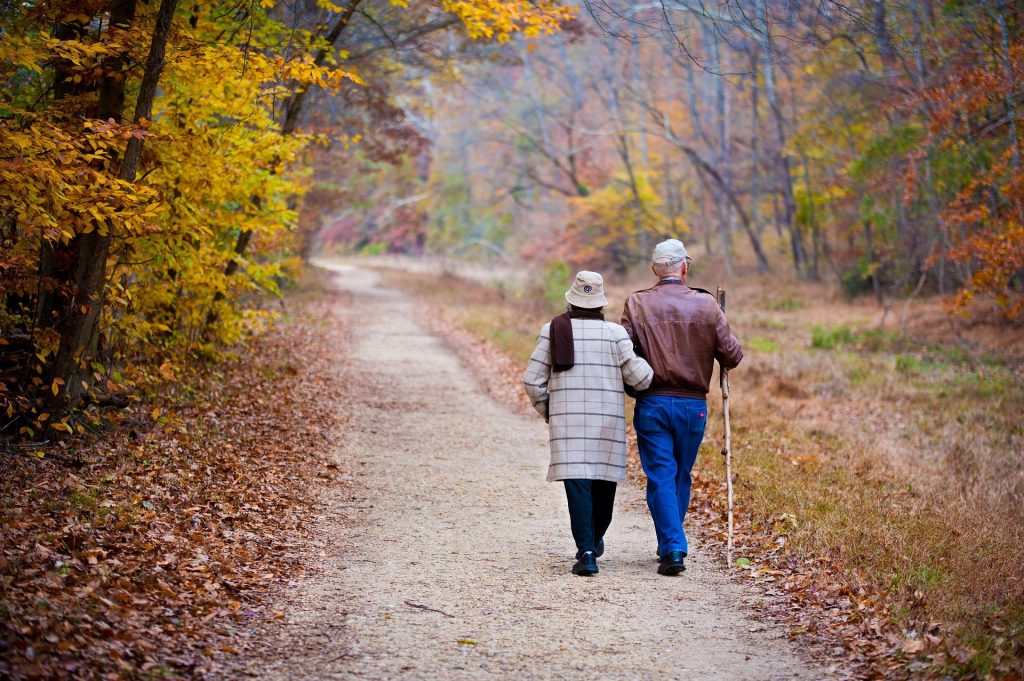
Falls are a leading cause of injury among older adults, and even a minor fall can significantly affect independence, confidence, and overall well-being. While physical changes and health conditions naturally occur with aging, there are practical strategies older adults and their caregivers can implement to reduce the risk of falls. By taking preventive steps, you can maintain safety, preserve mobility, and enjoy greater peace of mind.
Why Fall Prevention Matters
Statistics show that one in four adults aged 65 and older experiences a fall each year, and the risk increases with age. Injuries from falls,such as fractures, sprains, or head injuries,can lead to long-term disability, hospitalization, or even a decline in overall health. Fear of falling can also limit daily activity, reducing strength and balance over time, which paradoxically increases the risk of future falls.
The good news is that most falls are preventable. By addressing risk factors and making simple lifestyle and home modifications, older adults can significantly improve their safety.
Assess Your Risk with a Healthcare Provider
The first step in fall prevention is a medical assessment. Schedule an appointment with your healthcare provider to discuss your fall history, current medications, and health conditions.
- Review medications: Some medications,such as sedatives, antihistamines, or certain antidepressants may cause dizziness or drowsiness, increasing fall risk. Your provider can help adjust or monitor these medications safely.
- Health evaluation: Conditions affecting vision, balance, hearing, or mobility may increase fall risk. A provider may assess your gait, strength, and coordination to create a personalized plan.
- Fall history: Share details of any previous falls or near-falls. Understanding when and how falls occur can help target preventive measures effectively.
Stay Active to Improve Strength and Balance
Regular physical activity is one of the most effective ways to prevent falls. Exercise strengthens muscles, improves balance, and enhances coordination. Activities such as walking, tai chi, yoga, or water exercises are gentle yet effective for older adults.
If fear of falling has limited activity, a physical therapist can design a safe, structured exercise program to build confidence and stability. Even short daily sessions of balance or strength exercises can make a meaningful difference.
Make Your Home Safe
A large number of falls occur at home, often due to tripping hazards or poor lighting. Simple modifications can create a safer environment:
- Remove obstacles: Clear walkways of clutter, electrical cords, and loose rugs.
- Secure rugs and flooring: Use double-sided tape, non-slip backing, or remove unstable rugs altogether. Repair loose floorboards or carpets promptly.
- Improve lighting: Ensure rooms, hallways, and stairways are well-lit. Consider nightlights, glow-in-the-dark switches, or lamps within reach of the bed.
- Install support devices: Handrails in bathrooms and stairways, grab bars near toilets and showers, and non-slip mats can prevent slips.
- Keep essentials accessible: Store frequently used items within easy reach to avoid stretching or climbing.
Wear Supportive Footwear
Proper footwear can reduce the risk of slips and improve stability. Avoid high heels, floppy slippers, or smooth-soled shoes, and instead choose well-fitting, supportive shoes with non-slip soles. Even indoor footwear should provide good grip and ankle support.
Manage Health Conditions and Vision
Certain health conditions, such as diabetes, arthritis, heart problems, or neurological issues,can affect balance and mobility. Proper management of these conditions, regular vision and hearing checks, and monitoring of blood pressure can reduce the risk of falls. Corrective lenses or hearing aids, when needed, can improve spatial awareness and confidence when moving around.
Be Weather Aware
Outdoor conditions can contribute to falls, especially during winter months. Ice, snow, or wet leaves can make walkways slippery. Take precautions such as using sturdy footwear, walking aids, or asking for assistance when navigating outdoor areas in inclement weather.
Use Assistive Devices Wisely
Canes, walkers, or other mobility aids can provide extra stability. Ensure devices are properly fitted and in good condition, and use them consistently to maintain balance both indoors and outdoors.
The Importance of Caregiver Support
Family members and caregivers play a vital role in fall prevention. They can assist with home modifications, remind loved ones about safety measures, encourage activity, and provide supervision when needed. Ongoing communication between older adults, caregivers, and healthcare providers ensures a coordinated approach to safety.
Preventing falls in the elderly requires a combination of awareness, proactive health management, home safety, and physical activity. By implementing these simple strategies, older adults can maintain independence, confidence, and overall well-being while reducing the risk of injury.
Falls don’t have to be an inevitable part of aging. With thoughtful planning, regular exercise, and safety-conscious living environments, older adults can enjoy life with reduced risk and greater peace of mind.