
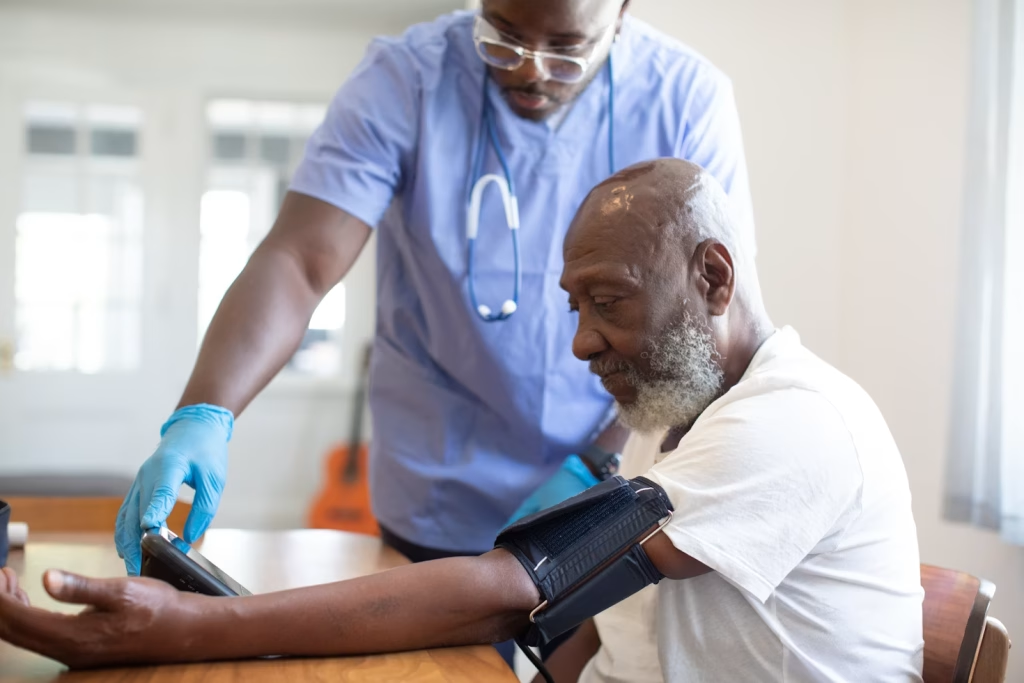
Family Support in Elderly Homecare plays a critical role in helping older adults maintain their independence, emotional wellbeing, and overall quality of life. As the global population continues to age, more families are choosing homecare solutions that allow seniors to remain in familiar surroundings while receiving the assistance they need.
Homecare is often more than professional medical assistance or personal care services. Family members serve as caregivers, advocates, companions, and emotional support systems. Their involvement can significantly influence a senior’s physical health, mental wellbeing, and ability to age comfortably at home.
How important is family involvement in elderly care? Share your thoughts and experiences in the comments section below.
Read : Diabetes Care Guide — Essential Management Plan, Monitoring Tips, More Updates Coming
Understanding Family Support in Elderly Homecare
Family Support in Elderly Homecare refers to the emotional, physical, financial, and practical assistance family members provide to aging relatives who receive care at home.
Support can include:
- Assisting with daily activities
- Managing medications
- Providing transportation
- Offering emotional companionship
- Coordinating healthcare appointments
- Monitoring health conditions
- Managing household responsibilities
Family involvement helps create a safe and nurturing environment where seniors can thrive.
Why Family Support Matters in Elderly Homecare
Older adults often face challenges such as declining mobility, chronic illnesses, memory loss, and social isolation. Family members help bridge these gaps by providing personalized care and attention.
Key benefits include:
- Better emotional health
- Increased safety
- Improved treatment adherence
- Reduced loneliness
- Enhanced quality of life
- Stronger social connections
Research consistently shows that seniors with active family support tend to experience better health outcomes than those with limited social engagement.
Emotional Benefits of Family Support in Elderly Homecare
Reducing Loneliness and Isolation
Many seniors experience loneliness, especially after retirement or the loss of friends and spouses.
Regular visits, phone calls, and meaningful conversations provide emotional comfort and reduce feelings of isolation.
Benefits include:
- Lower depression risk
- Improved mood
- Greater life satisfaction
- Stronger emotional resilience
Human connection remains one of the most important aspects of healthy aging.
Building Confidence and Security
Aging can bring uncertainty.
Knowing that family members are available to help provides reassurance and confidence.
Seniors often feel safer when loved ones actively participate in their care plans.
Physical Health Benefits of Family Support in Elderly Homecare
Encouraging Healthy Habits
Family members frequently help seniors maintain healthy routines.
Examples include:
- Preparing nutritious meals
- Encouraging exercise
- Supporting hydration
- Promoting proper sleep habits
Consistent encouragement can lead to improved overall health.
Medication Management
Medication errors are common among older adults.
Family caregivers often assist by:
- Organizing medications
- Monitoring schedules
- Refilling prescriptions
- Tracking side effects
- Communicating with healthcare providers
These actions reduce health risks and improve treatment effectiveness.
Family Support Improves Safety at Home
Home safety becomes increasingly important with age.
Family members can identify potential hazards such as:
- Loose rugs
- Poor lighting
- Cluttered pathways
- Unsafe staircases
- Bathroom fall risks
Simple modifications can significantly reduce accidents and injuries.
Examples of safety improvements include:
- Installing grab bars
- Adding non-slip mats
- Improving lighting
- Rearranging furniture
- Using medical alert systems
The Role of Family in Managing Chronic Conditions
Many older adults live with chronic illnesses such as:
- Diabetes
- Heart disease
- Arthritis
- Dementia
- Hypertension
- Parkinson’s disease
Managing these conditions requires ongoing attention.
Family caregivers help by:
- Monitoring symptoms
- Attending medical appointments
- Tracking treatment plans
- Encouraging lifestyle changes
Active participation often leads to better disease management.
Supporting Seniors with Dementia and Alzheimer’s Disease
Family Support in Elderly Homecare is particularly valuable for individuals living with dementia.
Challenges may include:
- Memory loss
- Confusion
- Behavioral changes
- Difficulty completing daily tasks
Family members provide familiarity and comfort during difficult moments.
Helpful strategies include:
- Establishing routines
- Using memory aids
- Offering reassurance
- Creating a calm environment
These approaches improve quality of life for both seniors and caregivers.
The Importance of Communication
Effective communication is essential in elderly homecare.
Families should:
- Listen actively
- Respect senior preferences
- Discuss healthcare goals
- Share important updates
- Encourage open dialogue
Clear communication strengthens trust and improves care outcomes.
Family Support and Mental Health
Mental health is a major component of healthy aging.
Strong family relationships help reduce:
- Anxiety
- Depression
- Stress
- Feelings of abandonment
Regular interaction provides emotional stability and promotes a positive outlook on life.
Financial Support in Elderly Homecare
Many families assist aging relatives financially.
Support may include:
- Paying medical expenses
- Covering homecare costs
- Managing household bills
- Assisting with insurance matters
Financial assistance can reduce stress and ensure access to necessary services.
Balancing Professional Care and Family Involvement
Professional caregivers offer specialized expertise, but family involvement remains essential.
A balanced approach often includes:
- Home health aides
- Nurses
- Therapists
- Family caregivers
This partnership creates comprehensive care that addresses both medical and emotional needs.
Challenges Families Face in Elderly Homecare
Caregiving can be rewarding, but it also presents challenges.
Common difficulties include:
- Emotional stress
- Financial strain
- Time constraints
- Caregiver burnout
- Work-life balance issues
Recognizing these challenges is the first step toward finding effective solutions.
Preventing Caregiver Burnout
Family caregivers must prioritize their own wellbeing.
Warning signs of burnout include:
- Fatigue
- Irritability
- Anxiety
- Sleep problems
- Physical exhaustion
Strategies for prevention include:
- Taking regular breaks
- Seeking support groups
- Sharing responsibilities
- Using respite care services
- Maintaining healthy habits
Healthy caregivers provide better care.
Building a Successful Homecare Plan
A well-structured care plan improves outcomes for seniors and families.
Important steps include:
Assess Care Needs
Evaluate:
- Mobility
- Health conditions
- Personal care requirements
- Cognitive abilities
Define Responsibilities
Assign tasks among family members.
Examples include:
- Transportation
- Meal preparation
- Medication reminders
- Financial management
Work with Healthcare Professionals
Collaboration ensures consistent and effective care.
Technology and Family Support in Elderly Homecare
Technology can enhance caregiving efforts.
Useful tools include:
- Medication reminder apps
- Video calling platforms
- Remote monitoring devices
- Medical alert systems
- Health tracking applications
These technologies improve communication and safety.
Creating a Positive Home Environment
The home environment greatly influences senior wellbeing.
Families can support healthy aging by creating spaces that are:
- Safe
- Comfortable
- Accessible
- Socially engaging
Small changes often have a significant impact on daily life.
Future Trends in Elderly Homecare
The demand for homecare services continues to grow.
Emerging trends include:
- Telehealth services
- Smart home technology
- Personalized care plans
- Family-centered care models
- Remote health monitoring
Family involvement will remain a cornerstone of successful elderly care.
Read: Diabetes Care Guide — Essential Management Plan, Monitoring Tips, More Updates Coming
Frequently Asked Questions (FAQ)
1. Why is family support important in elderly homecare?
Family support improves emotional wellbeing, physical health, safety, and overall quality of life for seniors receiving care at home.
2. How does family involvement benefit elderly individuals?
It reduces loneliness, encourages healthy habits, improves medication management, and strengthens emotional connections.
3. What challenges do family caregivers face?
Common challenges include stress, burnout, financial strain, and balancing caregiving responsibilities with work and personal life.