
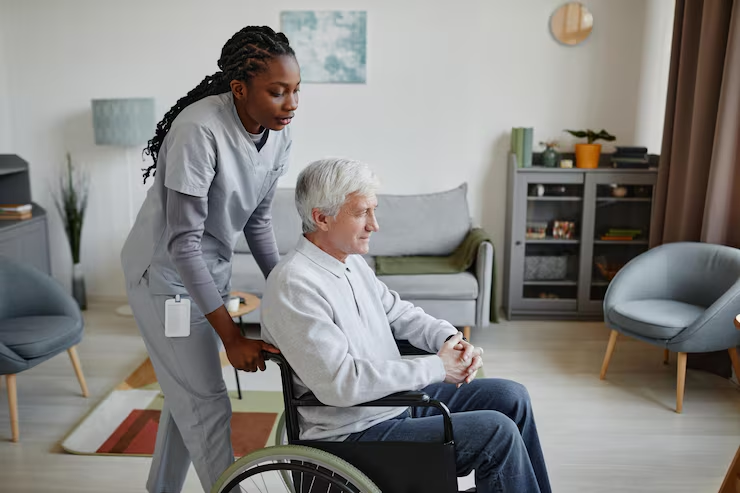
Hospice Care Dementia Nigeria is an essential service for families seeking compassionate, professional, and dignified support for their loved ones in the final stages of dementia. This approach focuses on comfort, quality of life, and emotional support for both patients and families. Choosing hospice care at home allows individuals to remain in familiar surroundings, surrounded by loved ones, while receiving skilled medical attention and personalized care plans tailored to their needs.
For trusted and compassionate hospice care support in Ogun State and across Nigeria, you can reach out to Eri Anu Homecare Services, dedicated to comfort, dignity, and professional end of life care.
Phone Us
Visit Us
1, Wesume street, Ado-Odo/Ota LGA, Ogun State, Nigeria, Badagry, Nigeria
Mail Us
Understanding Hospice Care for Dementia
What Is Hospice Care for Dementia Patients?
Hospice care for dementia patients focuses on providing comfort and support during the advanced stages of the illness. It differs from curative treatment because the goal is not to cure the disease but to ensure quality of life, manage symptoms, and maintain dignity. Hospice care includes pain management, emotional support, spiritual guidance, and assistance with daily living activities.
Patients often experience memory loss, confusion, and behavioral changes due to conditions like Alzheimer’s disease, vascular dementia, or Lewy body dementia. Hospice care ensures these patients receive compassionate and skilled attention while staying at home.
Difference Between Palliative and Hospice Care
While palliative care can be provided at any stage of a chronic illness, hospice care is specifically designed for patients approaching the end of life. Hospice focuses more intensively on symptom management, emotional and spiritual support, and guiding families through difficult decisions, often including live in care for full time monitoring.
Benefits of Hospice Care at Home
Comfort and Familiar Surroundings
Being at home allows dementia patients to stay in familiar environments, which reduces stress, confusion, agitation, and hallucinations. Comfort in known surroundings is crucial to emotional stability, helping patients remain calm and engaged.
Personalized One on One Attention
Hospice care at home ensures undivided attention. Caregivers tailor every aspect of care to the patient’s needs, including physical support, emotional reassurance, and behavioral guidance something difficult to achieve in busy hospital settings.
Reduced Hospital Stress
Hospitals can be overwhelming due to noise, frequent interruptions, and unfamiliar surroundings. Home hospice care minimizes hospital visits, ensuring patients rest in peace while receiving continuous medical supervision.
Family Involvement and Support
Families can actively participate in care giving, communicate openly with professionals, and provide emotional support. This strengthens bonds and allows loved ones to witness and contribute to compassionate care.
Key Services Provided in Hospice Care for Dementia
Pain and Symptom Management
Hospice nurses and caregivers manage:
- Pain and discomfort
- Anxiety and agitation
- Breathlessness
- Nausea and digestive issues
- Restlessness
- Mobility difficulties
The primary goal is comfort, ensuring patients experience dignity and relief from distressing symptoms.
Assistance with Daily Living Activities (ADLs)
Professional caregivers support patients with:
- Bathing
- Dressing and grooming
- Feeding
- Toileting
- Medication administration
- Mobility assistance
This is especially crucial in late stage dementia when patients lose independence in routine tasks.
Emotional and Spiritual Support
Hospice care provides:
- Companionship and emotional reassurance
- Faith based or spiritual encouragement
- End of life counseling
- Family grief support
Emotional care helps patients and families cope with the challenges of terminal illness while maintaining dignity and comfort.
24/7 Skilled Nursing Support
Care plans may include:
- Hourly or part time visits
- Full time daily care
- Overnight or live in hospice support
Continuous monitoring ensures safety, symptom management, and emotional support, particularly for patients with complex medical needs.
Safety Measures for Dementia Patients
Hospice caregivers implement dementia specific safety protocols such as:
- Fall prevention strategies
- Wandering and sun downing supervision
- Medication management
- Secure home environment setup
Safety measures reduce risks and provide peace of mind for families.
How Hospice Care Supports Families
Reducing Caregiver Stress
Caring for a dementia patient alone can lead to physical, emotional, and mental burnout. Hospice care allows families to rest, work, and focus on emotional connections instead of full time care giving responsibilities.
Guidance for Difficult Decisions
Hospice professionals provide expert advice regarding:
- End of life planning
- Comfort focused care decisions
- Nutrition and hydration management
- Hospice transitions
- Emotional coping strategies
Ensuring Peace of Mind
Families gain reassurance knowing their loved one is receiving professional, compassionate, and continuous care in the comfort of home.
Cost of Hospice Care for Dementia in Nigeria
Factors Influencing Pricing
Costs depend on:
- Geographic location (Lagos, Ogun, Abuja, PH, etc.)
- Dementia or illness severity
- Hours of care per day
- Medical complexity and equipment needs
- Live in vs. daily visits
Average Cost Breakdown
Typical pricing in Nigeria:
- Part time care: ₦720,000 – ₦1,620,000/month
- Full time daily care: ₦2,250,000 – ₦4,050,000/month
- Live in intensive care: ₦4,050,000 – ₦6,750,000/month
Pricing varies by state, provider, and complexity of care.
Why Home Hospice Care Is More Affordable Than Hospitals
Families save on hospital admissions, bed fees, emergency treatments, and transportation costs while prioritizing comfort, emotional support, and meaningful final moments.
Choosing the Right Hospice Care Provider
Verify Professional Certification
Select caregivers trained in dementia management, palliative care, and elderly safety, with experience in end of life support.
Compassionate and Experienced Caregivers
Technical skills are vital, but emotional intelligence, patience, and empathy are crucial for effective hospice care.
Communication and Reviews
Reliable providers offer 24/7 communication, detailed care reports, and transparent feedback from other families.
Tailored Care Plans
Choose agencies that create personalized care plans, adjusting services to meet the unique needs of each patient and family.
Eri Anu Homecare Services, Compassion You Can Trust
Why Families Choose Us
We provide:
- Skilled dementia caregivers
- Certified palliative nurses
- Live in and daily care options
- Emotional and spiritual support
- Affordable and transparent pricing
- Safety focused care plans
Our Service Areas
- Abeokuta
- Sagamu
- Ijebu-Ode
- Mowe/Ibafo
- Surrounding Ogun communities, Lagos, Abuja.
Our Approach to Compassionate End of Life Care
We prioritize dignity, comfort, peace, family involvement, and personalized care plans to ensure your loved one receives the highest standard of home hospice care.
A Peaceful Path Forward
Caring for a loved one with dementia or a life limiting illness is challenging. Hospice Care Dementia in Nigeria provides a dignified, peaceful, and compassionate alternative to hospital based care. With professional support from Eri Anu Homecare Services, families can ensure their loved ones experience comfort, emotional support, and safety in their own homes.
For compassionate and professional hospice care for dementia patients at home, contact Eri Anu Homecare Services for personalized support.
Phone Us
Visit Us
1, Wesume street, Ado-Odo/Ota LGA, Ogun State, Nigeria, Badagry, Nigeria
Mail Us
Frequently Asked Questions About Hospice Care for Dementia Patients
What is hospice care for dementia patients?
Hospice care for dementia patients provides specialized medical, emotional, and spiritual support for individuals in the final stages of dementia, focusing on comfort, quality of life, and dignity at home.
How does hospice care differ from palliative care?
While palliative care can be provided at any stage of a chronic illness, hospice care is specifically for patients nearing the end of life, emphasizing comfort, symptom management, and emotional support.
Why choose home hospice care for a loved one with dementia?
Home hospice care allows dementia patients to remain in familiar surroundings, receive personalized attention, reduce hospital stress, and improve family involvement during end of life care.
What services are included in hospice care for dementia?
Services often include pain and symptom management, assistance with daily living, 24/7 nursing support, emotional and spiritual support, safety measures, and guidance for families.
How much does hospice care for dementia cost in Nigeria?
Costs vary depending on location, illness severity, care hours, live in vs. part time support, and medical complexity. Typical monthly rates range from ₦7200,000 for part time care to ₦6,750,000 for intensive live in care.
How do hospice caregivers ensure safety for dementia patients?
Caregivers implement fall prevention, wandering supervision, medication management, and dementia specific safety protocols to minimize risks while maintaining comfort at home.
Can families be involved in hospice care at home?
Yes. Home hospice care encourages family participation, providing emotional support to the patient, guidance in care decisions, and opportunities to strengthen bonds during the final stages.
How do I choose the right hospice care provider for dementia patients?
Verify professional certifications, assess caregiver compassion, check reviews and referrals, confirm 24/7 communication, and ensure personalized care plans tailored to patient needs.