
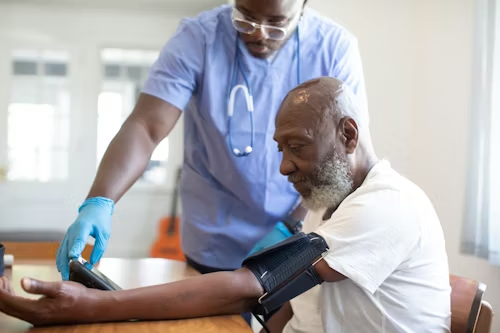
Opportunities in Local Homecare Services are gaining attention as more families turn to professional caregivers for assistance with daily health support, elderly care, and recovery services at home. Across many communities, the demand for trained caregivers and homecare professionals continues to increase.
Healthcare professionals and local organizations have confirmed that home-based care is becoming a major part of modern healthcare systems. Instead of relying solely on hospital visits, many families now prefer to receive care within the comfort of their homes.
Cities across Nigeria have experienced a steady rise in the number of homecare providers offering services ranging from companionship to medical monitoring.
Opportunities in Local Homecare Services
The growth of Opportunities in Local Homecare Services is being driven by increased demand for personalized healthcare support.
Families, medical providers, and homecare agencies are actively searching for trained caregivers who can deliver quality assistance to patients and elderly individuals at home.
Background: Why Opportunities in Local Homecare Services Matter
The rise of Opportunities in Local Homecare Services reflects a major shift in how healthcare is delivered.
Traditionally, hospitals handled most medical care while families provided additional support at home. However, modern lifestyles have changed this structure.
Many households now require professional caregivers to help manage healthcare needs.
A growing elderly population also contributes to this demand. Seniors often require regular assistance with everyday activities, medication schedules, and mobility support.
Healthcare experts believe homecare can improve recovery outcomes by allowing patients to remain in familiar environments.
Several organizations, including World Health Organization, have emphasized the importance of community-based healthcare systems.
Local homecare services represent an important part of that model.
Details: Opportunities in Local Homecare Services for Workers
Caregiver Roles and Responsibilities
The expansion of Opportunities in Local Homecare Services has created a variety of caregiving roles.
Caregivers often assist with daily activities such as bathing, meal preparation, and medication reminders. In some cases, they provide companionship to elderly individuals who live alone.
Other responsibilities may include helping patients move safely around the house, monitoring health conditions, and reporting concerns to healthcare professionals.
These roles require patience, compassion, and a strong sense of responsibility.
Many families value caregivers who show empathy and dedication while assisting vulnerable individuals.
Job Opportunities in Homecare
The demand for Opportunities in Local Homecare Services extends across several categories of employment.
Common positions include:
• Personal caregivers
• Home health aides
• Elderly care assistants
• Rehabilitation support workers
• Disability care providers
Each role contributes to improving quality of life for patients and families.
Some caregivers work part-time, while others accept full-time or live-in positions.
Homecare agencies also employ supervisors, coordinators, and healthcare consultants who manage caregiving operations.
Training and Certification Requirements
Individuals interested in Opportunities in Local Homecare Services often benefit from completing professional training programs.
Caregiver training courses typically cover:
• Basic patient care techniques
• First aid and emergency response
• Hygiene and sanitation practices
• Communication with patients and families
• Medication monitoring
Training centers and healthcare institutions frequently offer short certification programs.
Some caregivers also pursue nursing assistant qualifications to expand their career opportunities.
Subheading: Opportunities in Local Homecare Services for Families
While employment benefits are significant, Opportunities in Local Homecare Services also provide advantages for families.
Professional caregivers help reduce stress for relatives who struggle to balance work and caregiving responsibilities.
Patients often experience improved emotional well-being when they receive consistent support.
Homecare also allows individuals recovering from illness or surgery to heal in familiar surroundings.
Families can customize care plans based on individual needs.
For example, some households require assistance only during daytime hours. Others prefer 24-hour caregiving support for elderly relatives.
Flexible care arrangements make homecare services attractive to many families.
Economic Impact of Opportunities in Local Homecare Services
The rise of Opportunities in Local Homecare Services contributes to economic development in several ways.
First, the industry creates employment for thousands of caregivers, healthcare workers, and administrative staff.
Second, homecare businesses generate income through service contracts with families and medical facilities.
Third, training programs supporting caregiving careers stimulate educational growth.
Healthcare economists believe the homecare sector could become one of the fastest-growing employment areas in many developing countries.
Communities that invest in caregiving training may experience long-term benefits in healthcare quality and job creation.
Analysis: Future of Opportunities in Local Homecare Services
The continued expansion of Opportunities in Local Homecare Services indicates that home-based care will remain a vital component of healthcare systems.
Several factors support this trend.
First, aging populations worldwide require increased support for daily living activities.
Second, medical technology now allows patients to receive monitoring and treatment outside hospital environments.
Third, families increasingly prefer personalized care for loved ones.
Despite these benefits, challenges remain.
Ensuring caregiver training and professional standards is essential for maintaining quality services.
Regulations may also be necessary to protect both caregivers and patients.
Governments and healthcare organizations could play a key role in establishing certification programs and industry guidelines.
What Next for Opportunities in Local Homecare Services
The future of Opportunities in Local Homecare Services appears promising as demand continues to rise.
Experts predict that more homecare agencies will emerge in urban and rural communities.
Technology could also improve caregiving practices through digital health monitoring systems and telemedicine support.
Training institutions may expand programs designed to prepare individuals for caregiving careers.
Government policies encouraging community healthcare development could further strengthen the industry.
As these changes occur, homecare services may become one of the most important sectors in healthcare employment.
The growth of Opportunities in Local Homecare Services highlights the increasing importance of community-based healthcare support.
Caregivers play a vital role in assisting elderly individuals, patients recovering from illness, and families seeking reliable healthcare solutions at home.
As awareness continues to grow, the homecare industry may provide both valuable services and meaningful employment opportunities for many people.
What are your thoughts on the future of homecare services in local communities?