
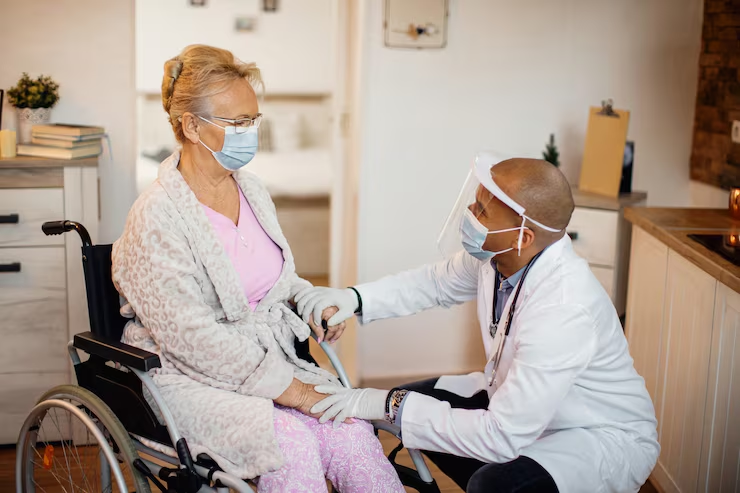
Caring for a loved one with dementia is a journey filled with challenges, emotions, and difficult decisions. Understanding dementia care options is crucial for families seeking to ensure comfort, dignity, and quality of life. Two of the most important options are palliative care and hospice care. While both focus on improving patient well-being, they differ in timing, goals, and scope. This guide explains these distinctions and helps families decide the best care approach for their loved ones.
Eri Anu Homecare Services, we provides expert palliative and hospice dementia care for families across Nigeria.
Phone Us
Visit Us
1, Wesume street, Ado-Odo/Ota LGA, Ogun State, Nigeria, Badagry, Nigeria
Mail Us
Understanding Dementia and Your Care Options
How Dementia Progresses Over Time
Dementia is a progressive neurological disorder affecting memory, thinking, and behavior. Early stages involve mild cognitive impairment, such as forgetting recent events or misplacing items. As the condition advances, patients may struggle with communication, personal hygiene, mobility, and daily tasks. In later stages, severe cognitive decline can occur, leaving patients dependent on constant care.
Why Choosing the Right Care Option Matters
Selecting the appropriate dementia care option can significantly improve the patient’s quality of life. Early intervention through structured support—whether palliative or hospice—can alleviate suffering, reduce hospitalizations, and provide guidance for caregivers. Families who understand the distinctions between care types can make proactive, informed decisions.
Palliative Dementia Care Options Explained
Core Goals and Principles of Palliative Care
Palliative care focuses on improving quality of life for patients living with chronic or life limiting illnesses, including dementia. Its primary aim is to manage symptoms, reduce stress, and support emotional well being without necessarily stopping treatments for the underlying condition.
Who Qualifies for Palliative Care
Any dementia patient can benefit from palliative care, regardless of disease stage. Early integration allows for better symptom management, coordinated medical care, and improved overall comfort.
Services Included in Dementia Focused Palliative Care
- Pain and symptom management (e.g., agitation, sleep disturbances, anxiety)
- Medication management for co-existing conditions
- Emotional counseling and psycho social support for patients and caregivers
- Guidance on nutrition, exercise, and cognitive therapies
- Coordination with healthcare providers to ensure continuity of care
Hospice Dementia Care Options Explained
Eligibility and Timing for Hospice Care
Hospice care is intended for patients in the final stages of a terminal illness, usually when life expectancy is six months or less. For dementia patients, this stage may involve severe cognitive impairment, inability to communicate needs, and difficulty eating or walking.
Key Components of Hospice Support
- Comfort-focused care, prioritizing symptom relief over curative treatments
- 24/7 nursing and caregiver support at home or in specialized facilities
- Pain management and palliative therapies to improve comfort
- Emotional, spiritual, and bereavement support for families
How Hospice Addresses End of Life Needs
Hospice care ensures patients maintain dignity in their final stages of life. It focuses on comfort, individualized care plans, and emotional support for both patients and families.
Key Differences Between Palliative and Hospice Dementia Care Options
Timing and Stage of Illness
- Palliative Care: Suitable at any stage of dementia
- Hospice Care: Reserved for the final stage, typically with life expectancy under six months
Treatment Approach and Care Goals
- Palliative Care: Combines symptom management with ongoing treatments for dementia or other conditions
- Hospice Care: Focuses solely on comfort and quality of life, discontinuing curative treatments
Medication, Comfort Measures, and Support Levels
Palliative care addresses both disease and symptom management, while hospice care emphasizes intensive comfort measures.
Where Care Is Delivered
Both options can be provided at home, in nursing facilities, or hospitals. Hospice care often involves more frequent monitoring and higher caregiver involvement.
How to Decide the Best Dementia Care Option for Your Loved One
Signs Your Loved One May Need Palliative Care
- Frequent hospitalizations due to dementia complications
- Difficulty managing pain, anxiety, or sleep disturbances
- Need for structured medical and emotional support
Indicators It’s Time to Move to Hospice Care
- Severe cognitive decline and inability to communicate basic needs
- Difficulty eating, drinking, or walking
- Increased vulnerability to infections and repeated hospitalizations
How Families Can Make an Informed Decision
Consult healthcare providers to evaluate medical status, prognosis, and personal care goals. Advance care planning ensures a smoother transition between palliative and hospice care if needed.
Benefits of Early Dementia Care Planning
Emotional and Practical Support for Families
Early planning helps families reduce stress, clarify expectations, and focus on meaningful interactions with their loved one.
Reducing Emergency Visits and Caregiver Stress
Proactive dementia care options minimize crises that require hospitalization, helping caregivers manage responsibilities more effectively.
Ensuring Dignity and Comfort at Every Stage
Whether through palliative or hospice care, planning ensures patients receive adequate symptom management, comfort, and respect.
Costs, Insurance, and Accessibility of Dementia Care Options in Nigeria
Comparing Palliative vs Hospice Costs
- Palliative care costs vary depending on home visits, medications, and therapies
- Hospice care is typically more comprehensive and may involve higher costs
Insurance Coverage and Out of Pocket Expenses
Some Nigerian health insurance plans cover parts of palliative or hospice care. Families should verify coverage, subsidies, or government support programs.
How to Find Reliable Care Providers Near You
Search for registered home care agencies specializing in dementia care, such as Eri Anu Homecare Services, in cities like Abeokuta and Sagamu. Verify certifications, experience, and patient reviews for quality assurance.
Preparing for End Stage Dementia Care Options
Communication and Advance Care Planning
Discuss patient preferences early, including living wills, DNR orders, and cultural or spiritual considerations.
Managing Expectations and Common Challenges
Families should prepare for emotional, physical, and logistical challenges. Counseling and caregiver support groups can help.
Support Resources for Nigerian Families
- Local dementia support groups
- Professional home care services
- Government and NGO programs providing palliative or hospice guidance
For professional dementia care services, contact Eri Anu Homecare Services. Our team is dedicated to providing compassionate palliative and hospice care for your loved ones.
Phone Us
Visit Us
1, Wesume street, Ado-Odo/Ota LGA, Ogun State, Nigeria, Badagry, Nigeria
Mail Us
Frequently Asked Questions About Palliative Care vs Hospice for Dementia Patients
What is the main difference between palliative care and hospice care for dementia patients?
Palliative care can begin at any stage of dementia and focuses on symptom management alongside treatment. Hospice care is for end stage dementia, prioritizing comfort over curative treatments.
When should a dementia patient start receiving palliative care?
Palliative care is recommended when dementia symptoms start affecting daily life, causing discomfort, or requiring structured medical and emotional support.
How do I know if my loved one is ready for hospice care?
Signs include severe cognitive decline, inability to perform basic activities, difficulty eating or walking, and frequent hospitalizations. Hospice typically applies when life expectancy is six months or less.
Can dementia patients receive both palliative and hospice care at different times?
Yes. A patient may receive palliative care in earlier stages and transition to hospice care as dementia progresses to the end of life stage.
What services are included in palliative dementia care?
Palliative care includes pain and symptom management, counseling, caregiver support, coordination with doctors, medication management, and guidance on nutrition and mobility.
What services are included in hospice dementia care?
Hospice care focuses on comfort and may include 24/7 nursing support, pain management, emotional and spiritual support, home visits, and end of life planning assistance for families.
Is hospice care only for patients who are actively dying?
Hospice is intended for patients in the final stage of illness but focuses on comfort, dignity, and support for both patients and families, not just immediate end of life care.
How much does palliative and hospice dementia care cost in Nigeria?
Costs vary based on the type of care, location, and services provided. Some health insurance or government programs may cover part of the costs. Families should verify coverage.