
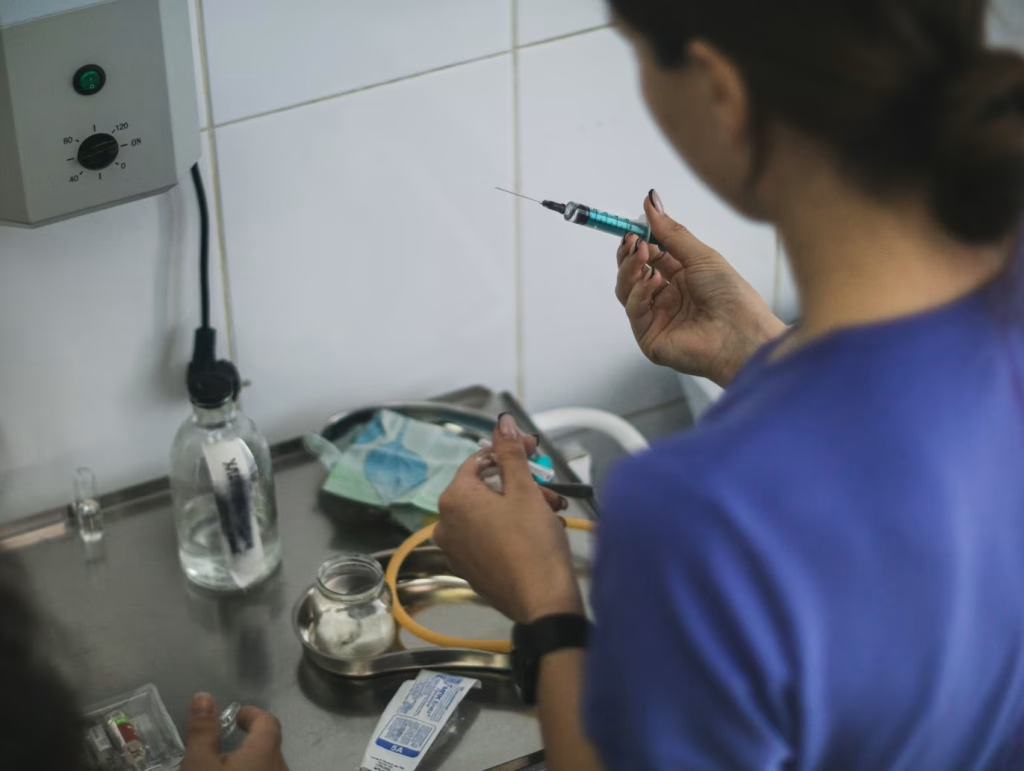
Home health nurses play a vital role in the healthcare system, delivering care that extends beyond hospital walls into patients’ own homes. These professionals balance clinical expertise with empathy, providing medical support, education, and guidance while ensuring patients maintain dignity, comfort, and independence.
The life of a home nurse is both demanding and rewarding, requiring adaptability, patience, and a deep sense of compassion. Unlike hospital settings, where routines are structured and staff manage multiple patients simultaneously, home nursing allows for personalized, one-on-one care tailored to each patient’s needs and environment.
The Journey to Home Health Nursing
Many home nurses arrive in the field after years of experience in hospital or specialized care. Some transition from critical care units, school nursing, or long-term care settings, seeking a pace that balances professional challenge with personal flexibility. The shift from hospital to home-based care may feel daunting at first, but many nurses discover that the autonomy, skill variety, and patient-centered focus of home care reignite their passion for nursing.
As one experienced home nurse reflects, the skills that made her successful in critical care, quick decision-making, technical expertise, and patient advocacy—remain central to her work in home health. In addition, she has learned new procedures unique to the home environment, such as managing pleurex catheters, negative pressure dressings, suprapubic catheters, and compression wraps, expanding both her competence and confidence.
A Typical Day
The day of a home nurse begins before the first visit. Many nurses contact their patients the evening before to set up visit windows and confirm schedules. This preparation ensures visits run smoothly and helps coordinate any special needs, such as lab draws or medication administration.
Most home nurses see between five and six patients per day, though schedules may fluctuate based on the complexity of care required. Each visit often spans one to two hours, allowing time to provide comprehensive care, educate patients and families, and document each interaction thoroughly. Some days may involve fewer patients if high-skill procedures or start-of-care assessments are required, while other days may include extra visits to accommodate unforeseen patient needs.
Once the day begins, the nurse travels to patient homes, often navigating traffic and varying neighborhoods. At each home, tasks may include:
- Wound care and dressing changes
- Administering intravenous therapy or medications
- Blood draws and laboratory sample handling
- Catheter management and other technical procedures
- Patient education and health coaching
After each visit, nurses chart clinical observations, care plans, and any patient concerns. Maintaining accurate records is crucial for continuity of care and ensures that other healthcare professionals can coordinate effectively. The pace can be fast, but the one-on-one interactions allow nurses to develop meaningful relationships with patients, understanding their routines, preferences, and challenges in ways that hospital staff often cannot.
The Rewards and Challenges
Home health nursing offers unique emotional rewards. Nurses witness patients progress in familiar surroundings, often forming deep connections that go beyond clinical care. Observing a patient regain strength, confidence, or independence can be profoundly fulfilling, reinforcing the value of this profession.
Challenges are inevitable, however. Nurses must navigate logistical hurdles, such as locating patients’ homes or adjusting schedules due to cancellations or emergencies. They may also encounter patients in unsafe or complex environments, requiring careful risk assessment and coordination with agency supervisors to ensure safety. Yet, for those committed to the field, these challenges are balanced by the satisfaction of providing compassionate, patient-centered care.
Support and Collaboration
Home health nurses often work closely with agencies and recruiters who provide professional guidance, logistical support, and personal encouragement. This network ensures that nurses can focus on patient care while managing contracts, assignments, and unexpected life events. Family members also play a crucial role, as collaboration ensures that patients receive consistent care and understand any necessary health interventions.
The home nurse’s ability to coordinate with other healthcare professionals, from physicians to physical therapists, is essential for maintaining continuity of care. Communication ensures that treatments are effective, medications are administered correctly, and patients can navigate their health challenges safely.
Why Home Health Nursing Matters
Home nursing supports a patient-centered model of care that prioritizes comfort, autonomy, and holistic wellness. Patients benefit from familiar surroundings, reduced stress, and focused attention from professionals who understand their unique needs. For nurses, the field provides a blend of clinical practice, autonomy, and the emotional reward of witnessing patients heal in their own homes.
In a healthcare landscape increasingly focused on personalized care, home nursing offers a sustainable, compassionate approach. By bridging the gap between hospital care and independent living, home nurses empower patients to manage their health confidently while maintaining quality of life.