As people age, maintaining good health becomes increasingly important. Why Regular Health Monitoring Is Important for Seniors is a question that deserves attention because routine health assessments play a crucial role in preventing disease, managing chronic conditions, and improving overall quality of life.
Many health conditions develop gradually and may not show obvious symptoms in their early stages. Regular health monitoring helps seniors detect potential issues before they become serious, allowing healthcare providers to offer timely treatment and guidance.
For older adults, staying proactive about health is one of the most effective ways to enjoy independence, mobility, and a higher quality of life for many years.
Read: What is High Blood Pressure?
Understanding Health Monitoring for Seniors
What Is Regular Health Monitoring?
Regular health monitoring refers to scheduled medical evaluations, screenings, laboratory tests, and ongoing observation of important health indicators. These assessments help identify changes in physical and mental health that may require attention.
Health monitoring often includes:
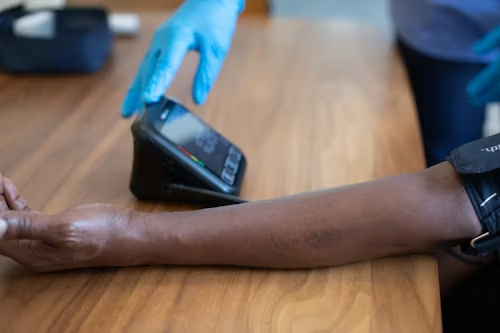
- Blood pressure checks
- Blood sugar testing
- Cholesterol screening
- Weight management assessments
- Vision examinations
- Hearing evaluations
- Bone density testing
- Cancer screenings
- Cognitive health assessments
Each of these evaluations contributes to a comprehensive understanding of a senior’s health status.
Why Regular Health Monitoring Is Important for Seniors
Early Detection of Health Problems
One of the biggest advantages of routine monitoring is the early detection of diseases.
Conditions such as:
- Diabetes
- Hypertension
- Heart disease
- Osteoporosis
- Kidney disease
- Certain cancers
often develop silently. Regular screenings can identify these conditions before symptoms appear.
Early diagnosis frequently leads to:
- Better treatment outcomes
- Lower healthcare costs
- Reduced complications
- Improved quality of life
Detecting health concerns early allows seniors to receive appropriate care when it can make the greatest difference.
Better Management of Chronic Conditions
Supporting Long-Term Health
Many seniors live with chronic illnesses that require ongoing management.
Examples include:
- Diabetes
- Arthritis
- Heart disease
- Chronic obstructive pulmonary disease (COPD)
- High blood pressure
Regular monitoring enables healthcare professionals to:
- Track disease progression
- Adjust medications
- Evaluate treatment effectiveness
- Prevent worsening symptoms
Consistent follow-up care helps seniors maintain stability and avoid unnecessary hospitalizations.
Improved Medication Safety
Reducing Medication Risks
Older adults often take multiple medications simultaneously.
This can increase the risk of:
- Drug interactions
- Side effects
- Incorrect dosages
- Medication errors
Routine health assessments help physicians review medications and make necessary adjustments.
Medication reviews can:
- Improve treatment effectiveness
- Reduce adverse reactions
- Enhance patient safety
- Simplify treatment plans
Safe medication management is a critical aspect of senior healthcare.
Monitoring Cardiovascular Health
Protecting the Heart and Blood Vessels
Heart disease remains one of the leading causes of illness among older adults.
Regular cardiovascular monitoring includes:
- Blood pressure measurements
- Cholesterol testing
- Heart rhythm evaluations
- Lifestyle assessments
Monitoring these indicators helps identify risk factors before serious complications develop.
Preventive measures may include:
- Dietary improvements
- Increased physical activity
- Medication adjustments
- Smoking cessation support
These interventions significantly reduce cardiovascular risks.
Supporting Mental Health and Cognitive Function
Recognizing Cognitive Changes Early
Mental health is just as important as physical health.
Routine evaluations can identify:
- Depression
- Anxiety
- Memory loss
- Cognitive decline
- Dementia-related symptoms
Early intervention can slow progression and improve daily functioning.
Healthcare professionals may recommend:
- Cognitive exercises
- Counseling
- Medication
- Lifestyle modifications
These strategies support mental wellness and independence.
Preventing Falls and Injuries
Maintaining Mobility and Balance
Falls are a major health concern for seniors.
Regular monitoring can identify risk factors such as:
- Poor vision
- Muscle weakness
- Balance issues
- Medication side effects
Healthcare providers may recommend:
- Physical therapy
- Strength training
- Home safety improvements
- Assistive devices
Preventing falls helps seniors maintain mobility and confidence.
Enhancing Nutritional Health
Addressing Dietary Needs
Nutritional requirements change with age.
Health monitoring can identify:
- Vitamin deficiencies
- Weight loss
- Malnutrition
- Dehydration
Regular assessments help healthcare professionals recommend dietary changes that support overall wellness.
Proper nutrition contributes to:
- Stronger immunity
- Better energy levels
- Improved muscle function
- Enhanced cognitive health
Strengthening the Immune System
Staying Protected Against Illness
Aging naturally affects immune function.
Routine health monitoring ensures seniors stay updated with:
- Vaccinations
- Flu shots
- Pneumonia vaccines
- Preventive screenings
These measures reduce the risk of serious infections and complications.
Maintaining strong preventive healthcare is essential for long-term wellness.
Improving Quality of Life
Supporting Independence
Regular health monitoring helps seniors maintain independence for longer periods.
Benefits include:
- Better physical health
- Improved mobility
- Enhanced mental wellbeing
- Reduced hospitalization rates
- Greater confidence
Seniors who actively participate in their healthcare often enjoy a more fulfilling lifestyle.
Key Health Screenings Every Senior Should Consider
Essential Checkups
Healthcare providers commonly recommend:
- Annual physical examinations
- Blood pressure screenings
- Cholesterol tests
- Diabetes screenings
- Bone density scans
- Eye exams
- Hearing tests
- Cancer screenings
- Mental health evaluations
The specific schedule may vary depending on individual health needs.
Practical Tips for Effective Health Monitoring
Building Healthy Habits
Seniors can improve health outcomes by:
- Scheduling regular medical appointments.
- Taking medications as prescribed.
- Monitoring blood pressure at home.
- Maintaining a balanced diet.
- Exercising regularly.
- Staying hydrated.
- Keeping vaccination records updated.
- Reporting new symptoms promptly.
Small, consistent actions often produce significant long-term benefits.
The Role of Family Caregivers
Providing Valuable Support
Family members can help seniors by:
- Attending medical appointments
- Tracking medications
- Monitoring symptoms
- Encouraging healthy habits
- Offering emotional support
Caregiver involvement often improves treatment adherence and health outcomes.
Technology and Senior Health Monitoring
Modern Tools for Better Care
Technology has made health monitoring more accessible than ever.
Popular tools include:
- Smartwatches
- Blood pressure monitors
- Glucose monitors
- Telehealth platforms
- Medication reminder apps
These innovations allow seniors and healthcare providers to track health data more effectively.
Common Signs That Require Medical Attention
When to Contact a Healthcare Provider
Seniors should seek medical advice if they experience:
- Unexplained weight loss
- Persistent fatigue
- Chest pain
- Shortness of breath
- Memory changes
- Frequent falls
- Vision problems
- Sudden mood changes
Read: Homecare in GRA Port Harcourt: Complete Guide to Quality Care at Home
Frequently Asked Questions (FAQ)
1. Why is regular health monitoring important for seniors?
Regular health monitoring helps detect diseases early, manage chronic conditions, and improve overall quality of life.
2. How often should seniors have health checkups?
Most seniors should schedule annual wellness visits, although some conditions may require more frequent monitoring.
3. What health screenings are most important for older adults?
Blood pressure checks, cholesterol tests, diabetes screenings, cancer screenings, vision exams, and bone density tests are commonly recommended.